Applying for a new job is exciting, but finding out that an employer requires a drug test can quickly cause stress. Workplace drug screenings are standard practice across the United States, and urine testing remains the top choice for employers because it is accurate, affordable, and approved by federal agencies.
However, not every company tests their workers the same way. Some companies test every applicant before making a final job offer, while others only test workers who drive heavy machinery or handle hazardous materials.
This guide breaks down the major companies and industries that test, provides clear comparisons between different job sectors, and explains what you can expect during the hiring process.
-
13-Panel Urine Drug Test Dip Card with Fentanyl
$11.95 Add to cart -
Supreme Klean Detoxifying Tea – Natural Herbal Cleansing Formula
Price range: $31.95 through $127.80 Select options This product has multiple variants. The options may be chosen on the product page -
Ultra Klean Detox Drinks
$44.00 Select options This product has multiple variants. The options may be chosen on the product page -
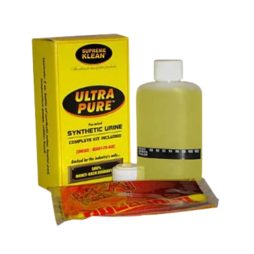
Ultra Pure Unisex Synthetic Urine Kit
Price range: $37.00 through $176.00 Select options This product has multiple variants. The options may be chosen on the product page
Major Companies Known to Conduct Urine Drug Tests
Many of the largest employers in the country maintain strict drug-free workplace policies. Here is how some of the most recognizable corporations handle testing for new hires and current employees.
Walmart
Walmart is one of the biggest private employers in the world. While Walmart previously screened almost every hourly worker, their current policy focuses primarily on specific safety-sensitive departments. Applicants applying for positions in the auto care center, pharmacy, sporting goods, management, or roles operating forklifts in distribution centers must pass a pre-employment urine screening.
Amazon
Amazon updated its corporate policy regarding cannabis for non-regulated positions, meaning they no longer screen standard warehouse associates and office staff for marijuana during pre-employment checks. However, Amazon still tests for other substances like cocaine, amphetamines, and opioids. Furthermore, any role regulated by the Department of Transportation (such as commercial delivery drivers) is still screened for all substances, including cannabis.
FedEx and UPS
Both FedEx and UPS operate large transportation and sorting networks. Package handlers, warehouse workers, and delivery drivers undergo rigorous screening. Commercial drivers operating semi-trucks or delivery vans are subject to strict federal pre-employment urine tests, random screenings throughout the year, and mandatory checks following any traffic accident.
The Home Depot and Lowes
Home improvement retailers emphasize warehouse and store safety due to heavy merchandise, tall ladders, and motorized equipment. The Home Depot and Lowes frequently require pre-employment urine tests for applicants hired to operate forklifts, reach trucks, or manage inventory. Both companies also maintain strict post-accident testing rules.
Target
Target generally conducts pre-employment drug tests for specific operational and leadership roles. Positions in distribution centers, asset protection, and store management commonly require a urine test before employment is finalized.
Major Hospital Systems and Healthcare Providers
Healthcare networks, including Quest Diagnostics, Labcorp, and major regional hospital groups, enforce zero-tolerance testing policies. Nurses, medical technicians, lab staff, and administrative workers with access to patient records or medicine supplies must clear a comprehensive urine drug test prior to starting work.
Comparing Drug Testing Across Different Industries
Drug testing rules change significantly depending on the industry you work in. A corporate software programmer faces very different requirements than an interstate commercial truck driver.
The table below compares how different industries approach urine drug testing.
| Industry | Pre-Employment Testing | Random Testing | What Panels Are Used | Strictness Level |
|---|---|---|---|---|
| Transportation and Trucking | Always required | High frequency | Standard 5-panel (strict DOT guidelines) | Very High |
| Healthcare and Hospitals | Always required | Low to moderate | Extended 10-panel or 12-panel | Very High |
| Manufacturing and Warehousing | Usually required | Moderate | 5-panel or 10-panel | High |
| Retail and Supermarkets | Depends on role | Low (mainly post-accident) | 5-panel (often excludes THC for hourly staff) | Moderate |
| Tech and Office Positions | Rarely required | Extremely rare | Standard 5-panel (if tested at all) | Low |
Comparing Safety Roles Against Desk Jobs
Even within the same corporation, your job title determines whether you will be sent to a collection clinic. Companies divide jobs into two main categories: safety-sensitive positions and non-safety desk jobs.
Safety-Sensitive Positions
- Examples – Forklift drivers, commercial truck drivers, machine operators, medical staff, electricians, and warehouse material handlers.
- Why they test – An error on the job could lead to serious physical injury, property damage, or loss of life.
- Testing schedule – Pre-employment screening, random checks throughout the year, and mandatory tests after any workplace accident.
- Zero tolerance – Passing a urine test is mandatory. Failing or refusing to test leads to immediate disqualification or termination.
Corporate and Desk Roles
- Examples – Software developers, customer service representatives, graphic designers, copywriters, and accounting clerks.
- Why they test less – Desk jobs carry minimal risk of workplace accidents or physical harm.
- Testing schedule – If tested, it is usually only once during the initial job offer. Random testing is virtually non-existent for office staff.
- Relaxed guidelines – Many companies have stopped screening corporate workers for cannabis in states where it is legally recognized.
Common Industries With Mandatory Testing Laws
Certain industries do not test by choice. Instead, federal and state laws force companies in these sectors to run regular urine screenings.
Federal Transportation and Logistics
Any company regulated by the Department of Transportation must test its safety workers. This includes commercial truck drivers, airline ground crews and pilots, railroad operators, commercial bus drivers, and maritime workers. These tests follow strict federal rules that allow zero exceptions.
Defense Contractors and Government Agencies
Businesses that manufacture military equipment, provide aerospace services, or work on federal government contracts must maintain strict drug-free workplaces under the Drug-Free Workplace Act. Employees in these environments must clear thorough background checks and laboratory urine tests.
Construction and Heavy Infrastructure
Construction firms face strict insurance requirements. Working around cranes, heavy steel, and open heights requires complete mental alertness. Most construction companies require a clean urine test before granting access to an active job site.
-
13-Panel Urine Drug Test Dip Card with Fentanyl
$11.95 Add to cart -
Supreme Klean Detoxifying Tea – Natural Herbal Cleansing Formula
Price range: $31.95 through $127.80 Select options This product has multiple variants. The options may be chosen on the product page -
Ultra Klean Detox Drinks
$44.00 Select options This product has multiple variants. The options may be chosen on the product page -
Ultra Pure Unisex Synthetic Urine Kit
Price range: $37.00 through $176.00 Select options This product has multiple variants. The options may be chosen on the product page
What Types of Urine Tests Do Companies Use
When you receive a drug test slip from an employer, the paperwork usually specifies which testing panel the lab will run.
The Five Panel Urine Test
The standard five-panel test is the most common workplace screening. It checks for five basic substances:
- Marijuana
- Cocaine
- Amphetamines and methamphetamines
- Basic opioids
- Phencyclidine
The Ten Panel Urine Test
Companies in healthcare, finance, law enforcement, and government contracts typically use a ten-panel test. In addition to the standard five drugs, this test screens for prescription medications such as:
- Benzodiazepines
- Barbiturates
- Methadone
- Oxycodone
- Extended prescription stimulants
What to Expect During the Hiring Process
If a company decides to test you, the process typically follows a clear timeline.
- The Conditional Job Offer
The hiring manager calls or emails you with a job offer. The paperwork states that your employment is conditional upon passing a background check and a drug screening. - The Testing Window
The employer sends you an electronic authorization pass for a third-party testing clinic (such as Quest Diagnostics, Labcorp, or Concentra). You are usually given twenty-four to seventy-two hours to complete the test. - The Clinic Visit
You visit the clinic with your photo ID. You empty your pockets, remove heavy jackets, and step into a private bathroom stall with a closed door to fill the collection cup. - Receiving Results
Negative results are sent to the employer within twenty-four to forty-eight hours, clearing you to start your first day of work.
Frequently Asked Questions
Do companies in states with legal marijuana still test for it
Yes, many do. Even in states where recreational or medical cannabis is legal, private employers still have the legal right to maintain a drug-free policy and decline to hire anyone who tests positive. However, some states have passed laws protecting off-duty cannabis use for non-safety office positions. Always check your local state laws and company policy.
Can you refuse to take a workplace urine test
Yes, you can legally refuse to take a drug test. However, refusing to test gives the employer the legal right to revoke your job offer immediately or terminate your employment. In the eyes of most corporate policies, a refusal is treated the exact same way as a failed test.
How much time do employers give you to take the test
Most companies give applicants between twenty-four and seventy-two hours from the moment the testing order is generated. If you fail to visit the clinic within the designated timeframe, the testing order expires, and your application is typically canceled.
Do work-from-home remote jobs require urine tests
Most remote desk jobs do not require drug testing. However, large nationwide companies that maintain blanket drug-free policies (especially in financial services, insurance, and healthcare administration) may still require you to visit a local testing clinic in your city before your remote onboarding is complete.
-
13-Panel Urine Drug Test Dip Card with Fentanyl
$11.95 Add to cart -
Supreme Klean Detoxifying Tea – Natural Herbal Cleansing Formula
Price range: $31.95 through $127.80 Select options This product has multiple variants. The options may be chosen on the product page -
Ultra Klean Detox Drinks
$44.00 Select options This product has multiple variants. The options may be chosen on the product page -
Ultra Pure Unisex Synthetic Urine Kit
Price range: $37.00 through $176.00 Select options This product has multiple variants. The options may be chosen on the product page